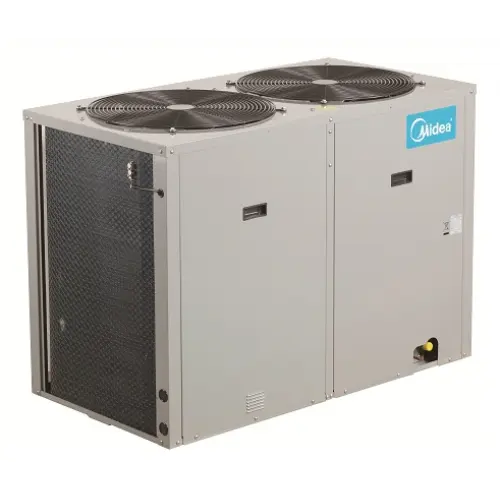
Engineering the VRF system before equipment selection
A VRF or VRV system connects multiple indoor units to one or more outdoor modules and varies refrigerant flow according to each zone. Reliable performance depends on load calculations, piping lengths and elevation, indoor-unit selection, ventilation, condensate drainage and controls.
We review layouts, operating schedules and zoning requirements before defining capacities, branch joints, piping routes, unit locations, service access and control integration.
VRF installation scope
- Zone-by-zone load calculations and equipment selection
- Outdoor and indoor unit selection
- Copper refrigerant piping and approved branch joints
- Nitrogen pressure testing and system evacuation
- Condensate drainage, insulation and supports
- Local or centralized controls and monitoring
- Commissioning, readings and handover documentation
Information required for an initial study
- Architectural drawings and room schedules
- Required zones and operating hours
- Available outdoor-unit locations
- Fresh-air and exhaust requirements
- Piping routes, heights and access constraints
- Central control or BMS requirements
Service delivery stages
- Load and zoning studyDefine loads, diversity and control requirements for each zone.
- Detailed coordinationCoordinate piping, drainage, power, controls and ceiling services.
- InstallationInstall units, piping, insulation, branches and supports to manufacturer limits.
- Testing and commissioningPressure test, evacuate, start and verify temperatures, currents and fault codes.
Execution details that protect long-term performance
VRF systems are sensitive to piping cleanliness, brazing quality, branch orientation, length limits and insulation continuity. These details should be controlled before ceilings are closed.
- Use system-approved branch joints and fittings
- Maintain clean piping with nitrogen during brazing
- Provide service access for indoor and outdoor units
- Record unit addresses and piping routes for maintenance
Sectors we serve
VRF is often considered where zones have different schedules and loads and the project needs flexible individual control.
Why New AlFouz AC?
Related HVAC services
Use the related pages to review the complete design, ventilation and maintenance scope.
Frequently asked questions
What is the difference between VRF and VRV?
Both names describe essentially the same variable-refrigerant-flow technology. VRV is a trademark used by one manufacturer, while VRF is the general industry term.
Does a VRF system require ductwork?
Indoor units may be cassette, wall-mounted or concealed ducted types. Separate fresh-air and exhaust systems may still be required by the building design.
Is VRF suitable for every project?
No. The decision depends on loads, number of zones, piping limitations, operating hours, maintenance capability and life-cycle cost compared with ducted split, packaged or chiller systems.
Can you maintain VRF systems after installation?
A maintenance plan can cover indoor and outdoor units, filters, drainage, operating readings, fault codes, refrigerant leakage and zone performance.
Considering VRF for your project?
Send drawings, zone schedules and project location so the engineering team can review system suitability.
Contact the engineering team